Legal analysis
Recommended title:
Legal data analysis turns raw case files, contracts, and compliance records into actionable insights that reduce risk, speed up legal work, and support better decision-making. Firms and legal departments that treat data as a strategic asset gain efficiency across discovery, contract lifecycle management, regulatory monitoring, and litigation strategy.
What legal data analysis does
– Extracts patterns from documents to highlight clauses, obligations, and anomalies.
– Scores matters by litigation risk, settlement likelihood, or regulatory exposure.
– Automates routine review to free attorneys for high-value advocacy and negotiation.
– Tracks compliance trends across business units to prioritize remediation.
High-value use cases
– Contract analytics: Rapidly identify non-standard clauses, renewal dates, and exposure across thousands of agreements to support M&A, vendor management, and audit readiness.
– eDiscovery and document review: Prioritize documents for review using relevance scoring and clustering to reduce review scope and cost while preserving defensibility and chain of custody.
– Litigation forecasting: Combine past case outcomes, judge and jurisdiction behavior, and factual patterns to inform settlement strategy and budgeting.
– Regulatory surveillance: Monitor filings, communications, and transaction data to detect potential violations and trigger timely investigations.
– IP and portfolio management: Identify maintenance deadlines, licensing patterns, and prior art similarities to optimize patent and trademark strategies.
Ethics, governance, and risk management
Legal work demands special attention to confidentiality, privilege, and professional responsibility. Governance should include strict access controls, auditable workflows, and defensible documentation of analytical methods used to produce legal recommendations.
Data minimization, privilege filters, and robust chain-of-custody procedures are essential to avoid waiving protection during analysis.
Common implementation challenges
– Data quality and fragmentation: Legal data often lives in disparate systems and inconsistent formats; cleaning and canonicalizing records is necessary before analysis can be trusted.
– Interpretability and explainability: Decision makers must understand how a score or flag was derived so attorneys can explain decisions to clients, courts, or regulators.
– Bias and fairness: Historical case data can reflect systemic biases; models and rules should be tested for disparate impact and adjusted when needed.
– Cross-border data constraints: International privacy and transfer restrictions affect where and how data can be processed and stored.
– Change management: Successful adoption requires collaboration between legal, IT, and analytics teams and training for end users.
Practical checklist for effective legal data analysis
1.
Define concrete objectives: Identify the legal question (e.g., reduce review cost, predict case outcomes) before collecting data.
2.
Inventory and map data sources: Locate contracts, matter files, communication logs, and structured records; record ownership and sensitivity.
3. Establish governance and ethics guardrails: Implement access controls, privilege filters, audit trails, and review protocols.
4. Invest in data preparation: De-duplicate, standardize, and enrich records; use human review to validate automated extractions.
5. Choose tools that prioritize explainability and defensibility over hype: Look for platforms with clear audit logs and configurable review workflows.
6.
Pilot, validate, and iterate: Run small, measurable pilots; compare analytical output to expert judgment and refine methods.
7. Educate stakeholders: Provide training for attorneys and staff on interpreting outputs, limitations, and how to preserve privilege during analytics.
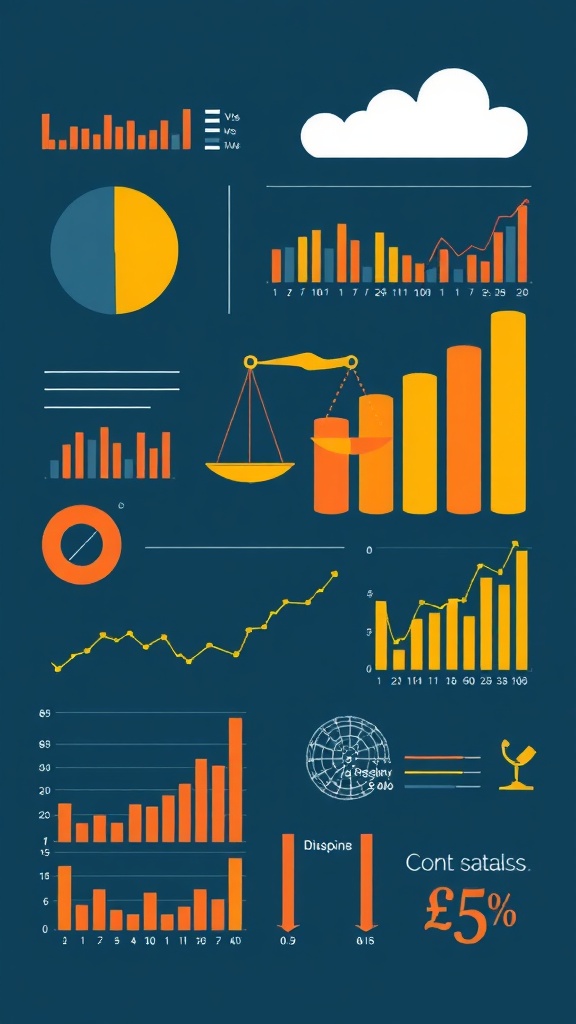
Adopting legal data analysis in a measured, governed way helps legal teams transform volume into insight while protecting client confidentiality and professional obligations. With careful planning and collaboration across legal and technical teams, analytics becomes an everyday tool for smarter risk management and more efficient legal operations.