Legal analysis
Here are five SEO-friendly blog title options:
Why legal data analysis matters
Legal data analysis turns documents, filings, emails, and transactional records into insight. Law firms, corporate legal teams, and compliance departments use it to reduce review time, assess litigation risk, surface contractual obligations, and monitor regulatory exposure.
When done right, analysis improves decision-making, lowers cost, and makes legal outcomes more predictable.
Common use cases
– E-discovery and document review: Prioritizing documents likely to be relevant or privileged speeds review and supports defensibility.
Metadata-driven culling and text-based filtering eliminate large swaths of irrelevant material early.
– Contract analytics and lifecycle management: Automated extraction of clauses, renewal dates, and risk terms helps legal teams stay on top of obligations, optimize negotiation strategy, and avoid missed deadlines.
– Litigation risk scoring: Aggregating historical case outcomes, party profiles, judge tendencies, and issue patterns produces a risk profile that informs settlement strategy and resource allocation.
– Compliance monitoring: Continuous analysis of transaction logs, communications, and policy exceptions detects compliance gaps and generates actionable alerts for investigations.
– Regulatory response and reporting: Structured extraction eases response to government inquiries and supports timely, auditable reporting.
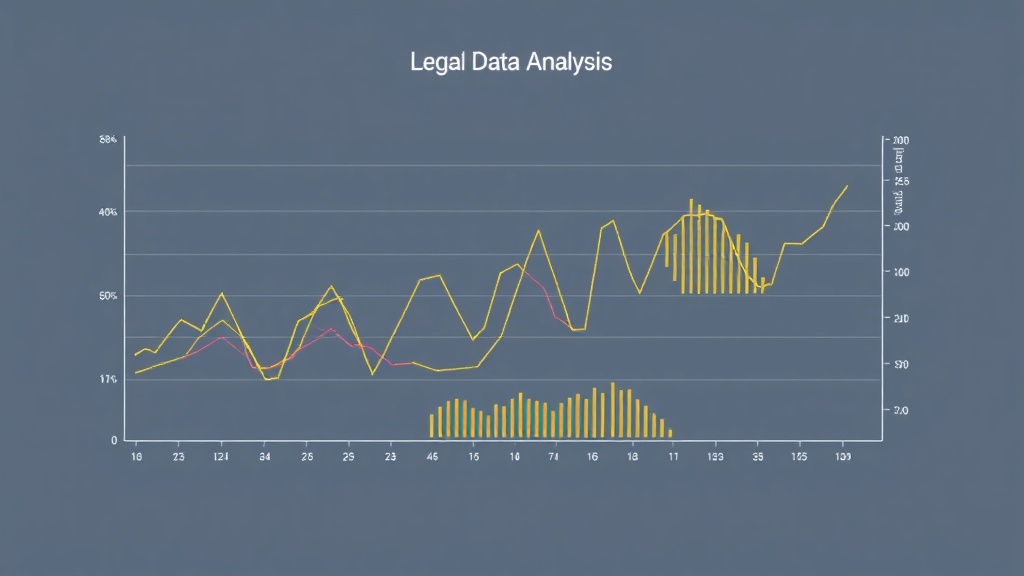
Key data sources
High-value sources include case files, court dockets, contracts, emails, internal databases, financial records, and third-party public records. Rich metadata (timestamps, custodianship, access logs) is as important as the content itself for establishing timelines and provenance.
Techniques and tools
Analysis relies on a mix of text analytics, statistical modeling, pattern recognition, and rule-based systems. Common methods include entity extraction, clustering similar documents, concept tagging, and trend identification.
Optical character recognition (OCR) and good-quality indexing are essential when working with scanned or image-based materials.
Best practices for defensible workflows
– Start with governance: Define retention policies, access controls, and clear ownership of datasets. Good governance reduces risk and speeds discovery.
– Preserve chain of custody: Maintain immutable audit logs and clear custody trails to support admissibility and credibility in litigation.
– Emphasize data quality: Clean, deduplicated, and correctly formatted data yields more reliable results.
Invest time into normalization and metadata enrichment.
– Maintain transparency: Document analytical methods, parameters, and decision rules. That documentation supports reproducibility and helps explain outcomes to courts or regulators.
– Keep humans in the loop: Automated analysis is a force multiplier when combined with expert review. Specialists should validate models, spot-check outputs, and handle nuanced legal determinations.
– Protect privacy and privilege: Apply rigorous redaction, privilege review workflows, and role-based access controls. Consider anonymization where appropriate for investigations or reporting.
Common challenges
– Volume and heterogeneity: Legal data comes in many formats and languages, increasing preprocessing overhead.
– Explainability and defensibility: Stakeholders often require clear, auditable explanations of how conclusions were reached.
– Bias and incomplete data: Conclusions depend on the quality and completeness of input data; missing or skewed records can mislead analysis.
– Regulatory and ethical constraints: Cross-border data transfer, privacy regulations, and confidentiality obligations limit what can be analyzed and how results can be used.
Practical next steps for legal teams
Begin with a narrowly scoped pilot that targets a clear pain point—such as contract renewal tracking or prioritizing discovery documents.
Use that pilot to validate workflows, measure time savings, and refine governance rules. Expand gradually, retaining documentation and expert oversight at each step to preserve defensibility and build stakeholder trust.
Legal data analysis is a strategic capability that multiplies efficiency when paired with disciplined processes, transparent methods, and strong data stewardship. Prioritizing those elements helps legal organizations turn complexity into clarity and risk into informed action.