Legal analysis
1. “Harnessing the Power of Legal Data Analysis: A Revolution in Legal Practices”
The Revolutionary World of Legal Data Analysis
In the dynamic world of law, the dawn of Legal Data Analysis has brought about a paradigm shift that has transformed the face of the profession.
Today, legal analytics is instrumental in assisting law firms and in-house legal departments in making data-driven decisions, offering insights and predictions that were previously unattainable.
Legal Data Analysis: What is it?
Legal Data Analysis, also referred to as legal analytics, involves the application of data analysis methods and technologies within the legal sector.
It harnesses the power of data extracted from various resources such as legal databases, court records, and other legal documents, aiming to provide actionable insights.
Essentially, it streamlines the process of legal research, case predictions, case durations, and costs involved.
The Power of Legal Analytics
Legal analytics offers an array of benefits to law firms and legal departments, providing them with a strategic edge.
Instead of relying solely on human expertise for decision-making, legal analytics ensures that decisions are data-driven, thereby increasing the efficiency and accuracy of outcomes.
Recently, legal analytics has paved the way for predictive analytics, enabling lawyers to predict the outcome of legal proceedings. This not only assists in case strategy but also influences the decision to go to trial or settle the case.
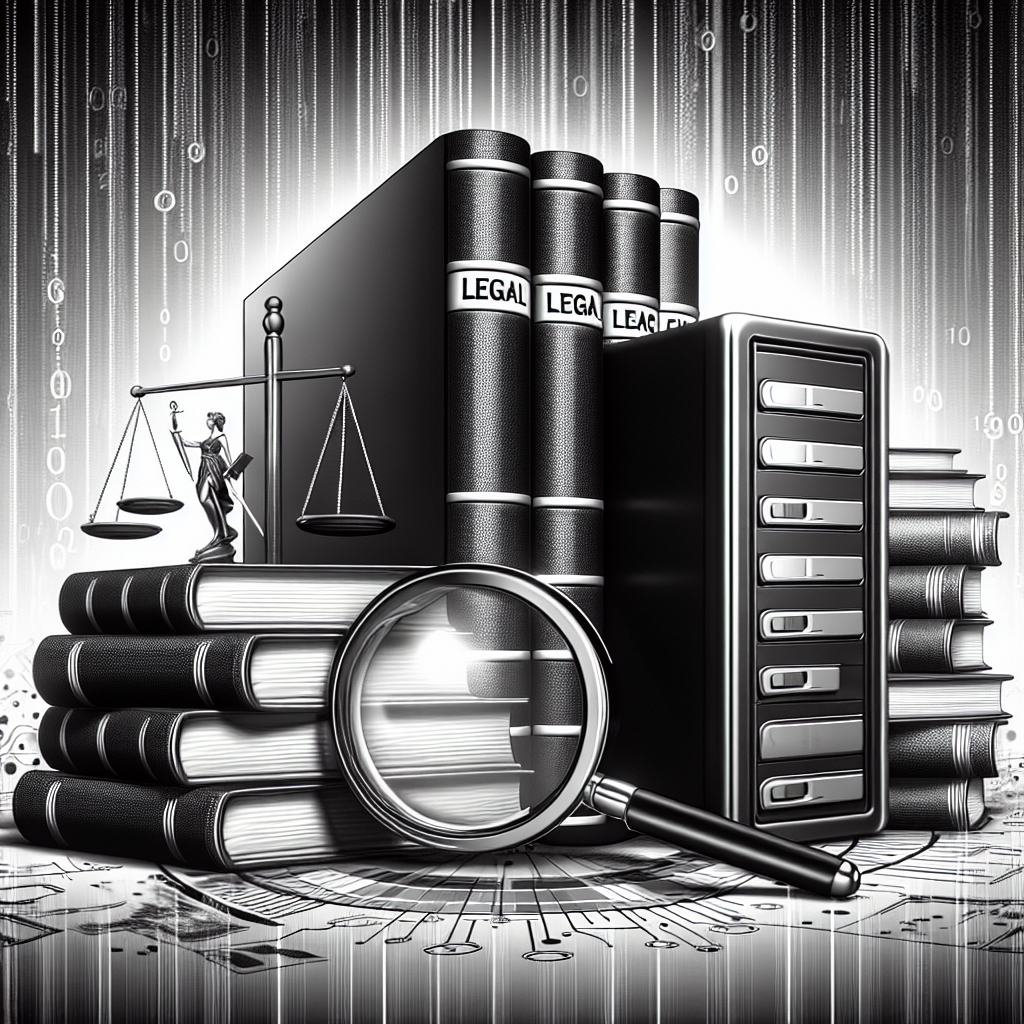
Furthermore, legal analytics aids in legal research, reducing the time spent on time-consuming tasks. By identifying patterns and trends in past cases, lawyers can quickly find relevant cases, statutes, and legal arguments.
Legal analytics also supports risk management by identifying potential risks and advising on proactive measures to avoid litigation. Moreover, this technology helps in budgeting and pricing legal services based on historical data, ensuring cost-effectiveness.
Challenges and Future Scope
Despite its manifold benefits, legal analytics faces certain challenges.
Firstly, data privacy is a major concern, especially when analyzing confidential client data. Secondly, legal professionals may face a steep learning curve while integrating this technology into their existing workflow.
However, with the continuous development of sophisticated legal tech tools that ensure data security and user-friendly interfaces, these challenges are being effectively mitigated. Legal analytics is rapidly becoming a necessity, and its adoption is expected to continue to rise among law firms and legal departments worldwide.
In the ever-evolving legal landscape, Legal Data Analysis is the new frontier.
It’s a powerful tool that law firms and legal departments can wield to drive their decision-making, streamline legal research, predict case outcomes, manage risk, and ensure cost-effectiveness. While there are challenges in the path of legal analytics, continuous advancements in legal tech are helping to overcome these issues, paving the way for a more data-driven and efficient legal sector.
As such, the future of legal data analysis appears to be promising, as it continues to transform the way legal professionals work and make decisions.
Data is the new oil, and in the legal world, it’s the catalyst for a revolution. Legal Data Analysis is at the forefront of this revolution, redefining the practice of law and offering a glimpse into the future of the legal profession.
In the grand scheme of things, legal analytics is not just about leveraging data; it’s about accessing a wealth of insights that can drive strategic decision-making, transforming the legal profession in ways we are only beginning to understand.